
Yabakei, in Ōita Prefecture (northeastern Kyushu), is a classic case of rural marginality in modern Japan. Once famous for its gorge landscapes and autumn leaves (especially spots like Hitome Hakkei), Yabakei today represents a broader collapse that’s happening in Japan’s countryside. Yabakei is part of what scholars call “genkai shūraku” (限界集落) — villages/towns at the brink of disappearing, where social functions are breaking down because there simply aren’t enough people left to sustain them.
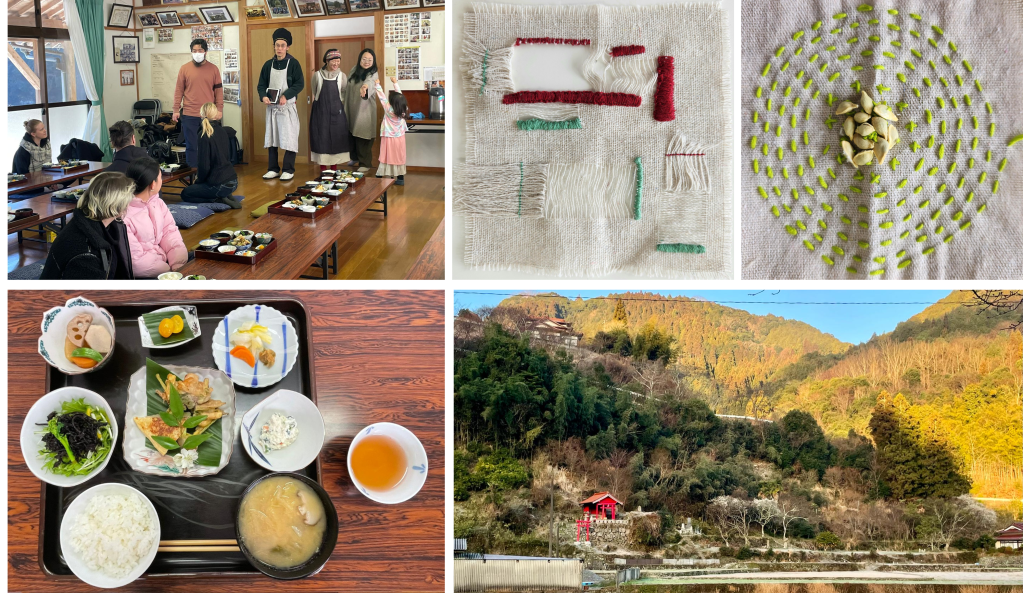
Japan is wrestling with the future of these places: do you consolidate them? Abandon them? Try to revive them with tourism, telework, or digital nomad schemes? Yabakei stands in that uncomfortable limbo — beautiful but unsustainable under current conditions. Yabakei, like much of rural Japan, has been hollowed out by aging and youth flight. Younger generations leave for cities like Fukuoka, Osaka, or Tokyo. What’s left are elderly residents, declining birth rates, and abandoned properties. Even in Ōita itself (not a major urban prefecture by Japanese standards), Yabakei is considered “out there.” It’s on the margins both geographically and psychologically. When people think of Ōita, they think Beppu’s hot springs, not Yabakei’s gorges.
We visited Yabakei on two cold winter’s days in February 2024 with students from the Estonian Academy of the Arts and the Faculty of Design, Kyushu University. With the group, we explored ideas for designing with loneliness. During the trip, we visited the ancient Rakan-ji Temple and the Buddhist Cave of Chinzei Rakan, where monks had lived in isolation for extended periods while building the temple. This profound experience provoked emotions of serenity, reverence, awe, and even a sense of connection to history and tradition.
We met a local chef who makes traditional miso, along with local bakers and farmers – all young people who had brought their families to Yabakei recently to find a quieter, slower lifestyle. An inspiration was Maya san, who is a local social designer working relentlessly to create new opportunities for the Yabakei community through design initiatives.
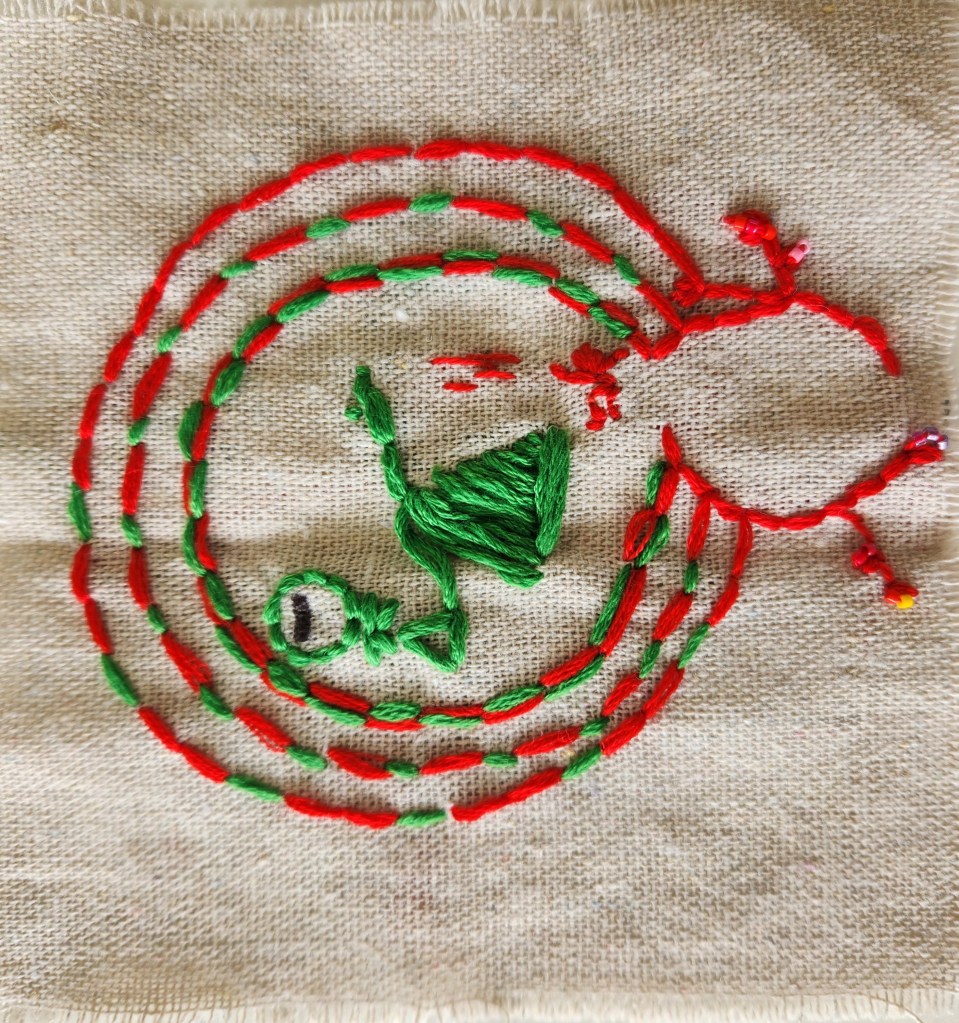
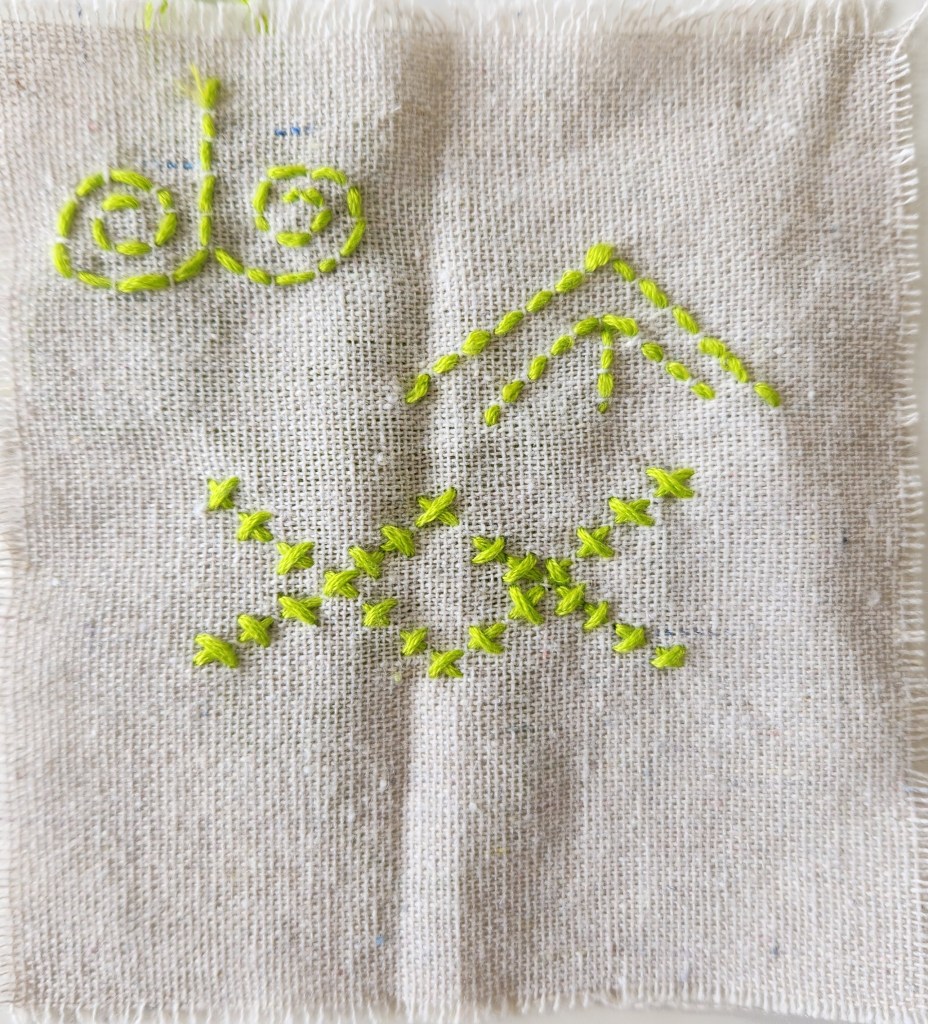
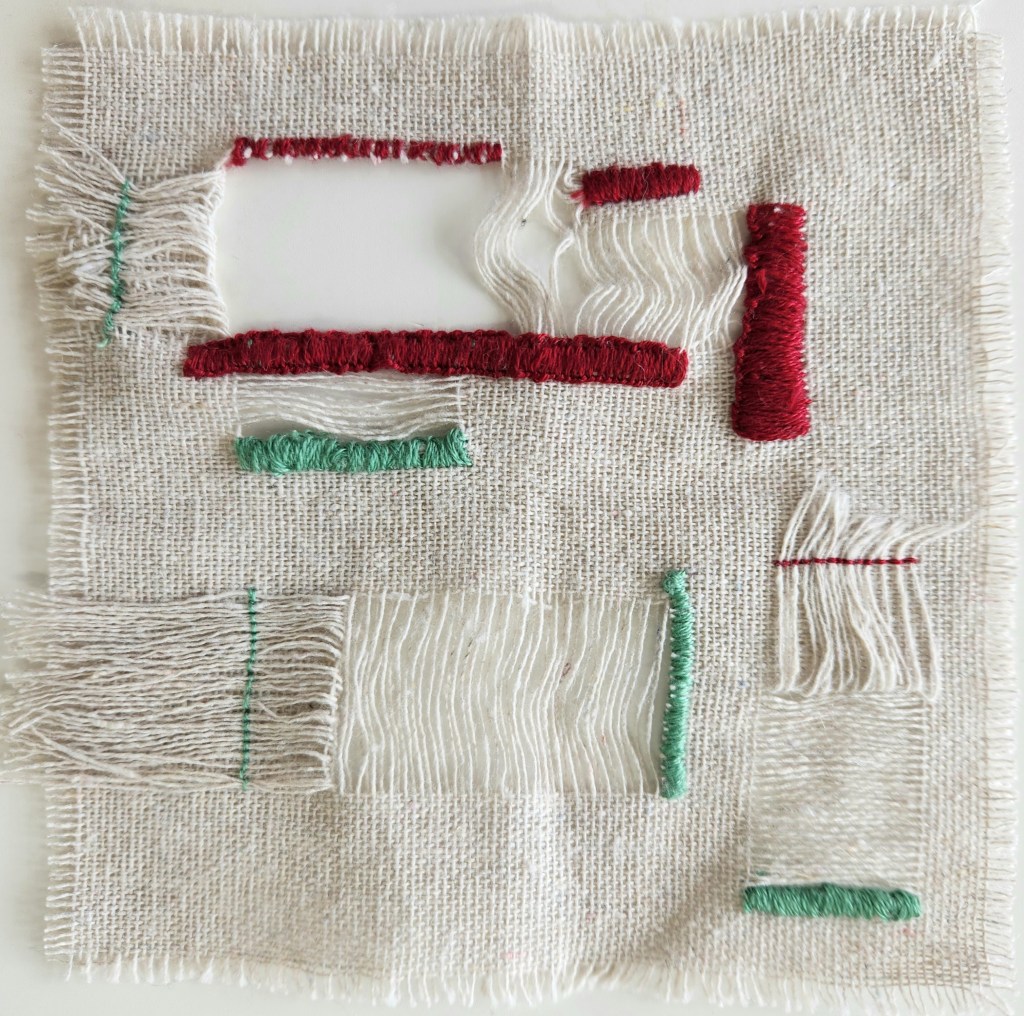
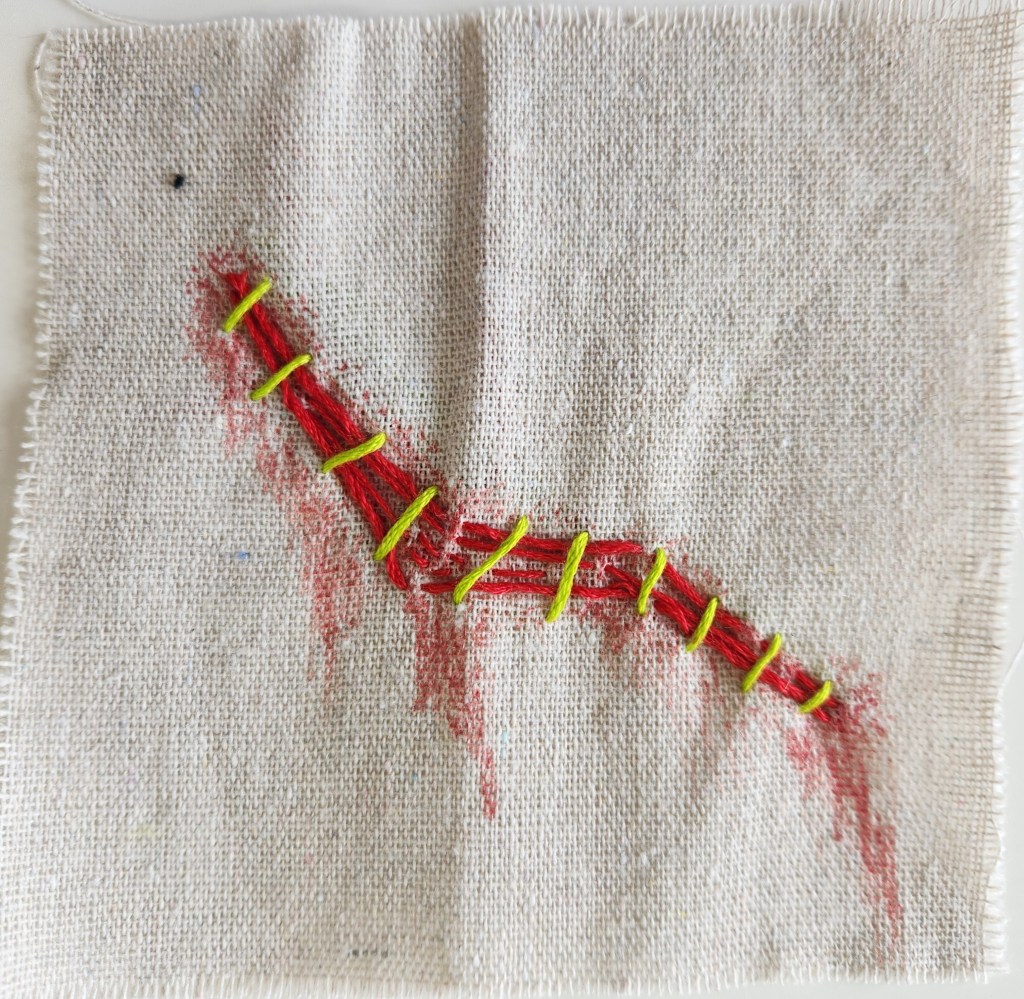
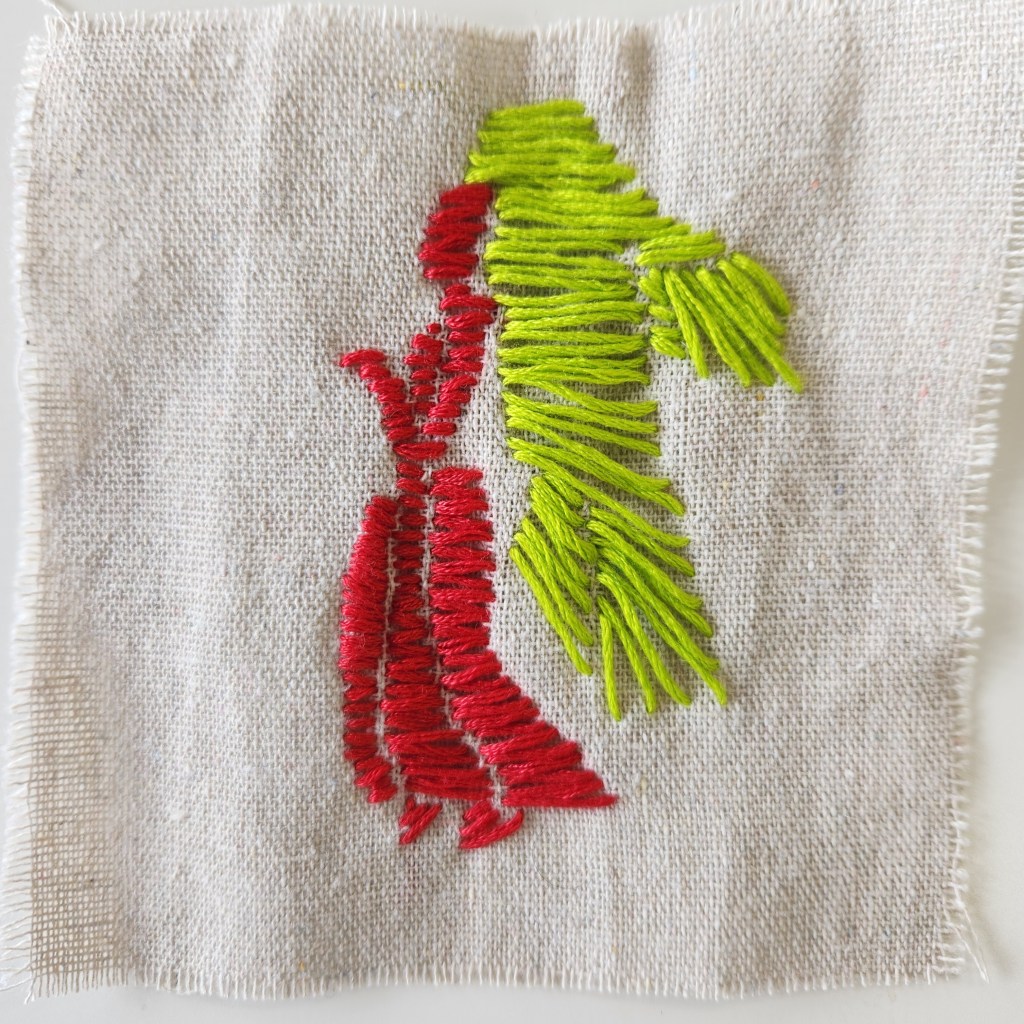
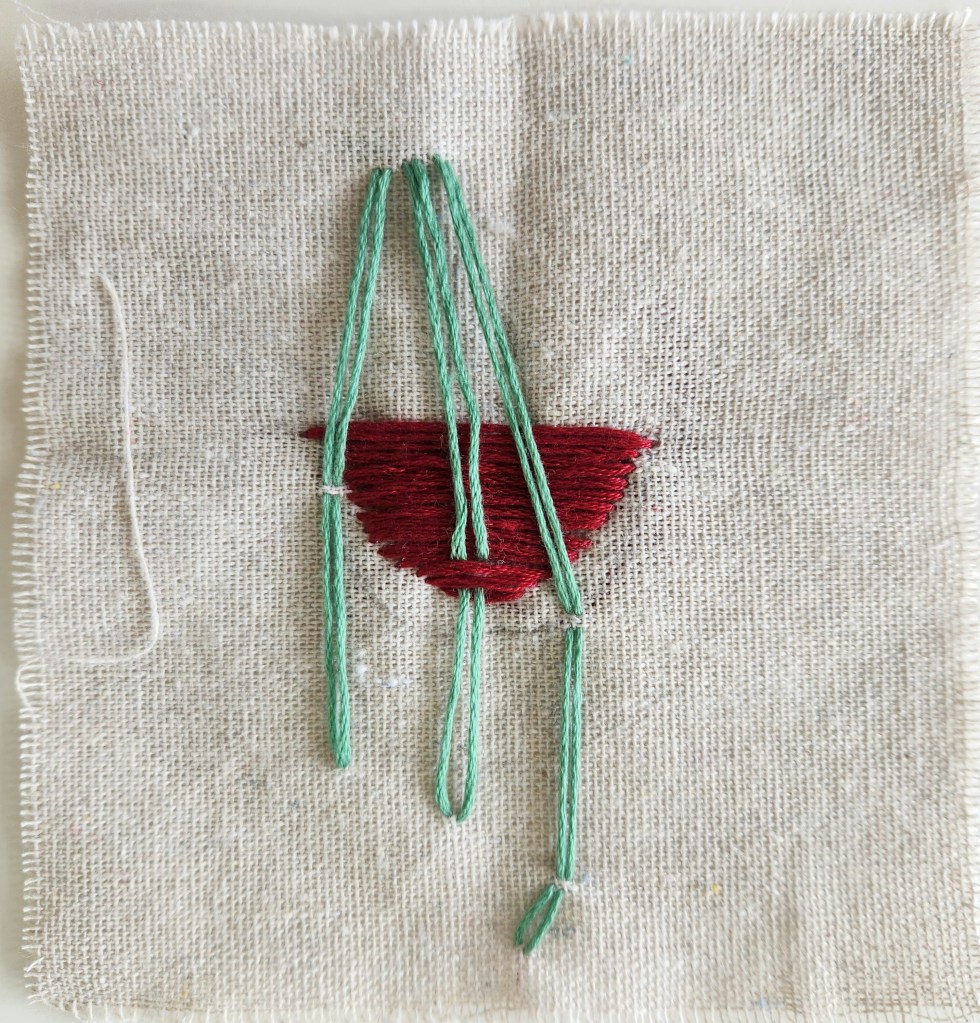
During the two-day excursion, those who wanted to use textiles and thread as a reflective practice created the following miniature embroideries as part of the Textiles Cartographies initiative. These textiles were sent to the Bridge to Nowhere Arts Community in Port Pirie, South Australia, as a gesture of gift-giving and sharing of stories.
The work has been published in the following open-access article: Sarantou, M., & Mi, S. (2024). Story-Making: A Complex Method Based on Arts-Based Research in Social Design. In: Kim, Y. S., Nomaguchi, Y., Chen, C-H., Xin, X., Hu, L., & Wang, M., Proceedings of Asia Design and Innovation Conference 5–6 December 2024, Shanghai, China, pp. 133-142.
 margintomargin